





More than four decades after pioneering conservation tourism in Botswana, Wilderness continues to demonstrate how long-term investment in people, protected areas and local enterprise can generate lasting value for both communities and conservation.
The latest Wilderness Botswana Impact Report highlights the company’s contributions over the past decade, with more than BWP853 million paid to Government, BWP70 million paid directly to neighbouring communities, nearly BWP1.3 billion paid to staff, and almost BWP2 billion spent on locally sourced goods and services. Today, 960 people are employed across Wilderness Botswana’s operations, with 98% of these being citizens, while tourism revenue continues to help support the protection of some of the country’s most important landscapes.
The report demonstrates how Wilderness’ long-term approach to conservation tourism continues to strengthen Botswana’s conservation economy by creating employment, supporting local businesses, investing in education, and helping safeguard the natural ecosystems on which tourism depends.
‘Botswana is where Wilderness began, and it continues to shape who we are as a business,’ said Kabelo Binns, Chairman of Wilderness Botswana. ‘We have learnt that conservation creates the greatest value when local communities are genuine partners and beneficiaries. This report reflects what is possible when tourism supports livelihoods, strengthens conservation, and helps ensure our country’s globally renowned wilderness continues to thrive for generations to come.’
Supporting local enterprise remains a cornerstone of this approach. Excluding aviation businesses, which have to source their parts from international suppliers, Wilderness Botswana now sources more than 86% by value of its procurement from Botswana-based suppliers. This helps to strengthen local businesses and ensure that more tourism revenue circulates within the national economy. Supplier development initiatives have also created new opportunities for emerging entrepreneurs to participate in the tourism value chain.
These impacts on local businesses are significantly enhanced by the fact that, in FY26, Wilderness travel shops around the world sent business worth P332 million to tourism operations in Botswana owned by other organisations. The value of this business sent to third parties in Botswana has exceeded P2.2 billion over the last 10 years. This reflects Wilderness’ long-held belief that a strong and collaborative tourism sector creates better outcomes for communities, conservation and the national economy alike.
Equally important is investing in people. Wilderness Botswana employs 960 people across its operations and continues to expand opportunities for skills development through accredited training programmes and leadership development. For example, through Wilderness Air Botswana, 41 citizen pilots have been trained, demonstrating the company’s commitment to developing local expertise within one of the industry’s most specialised fields.
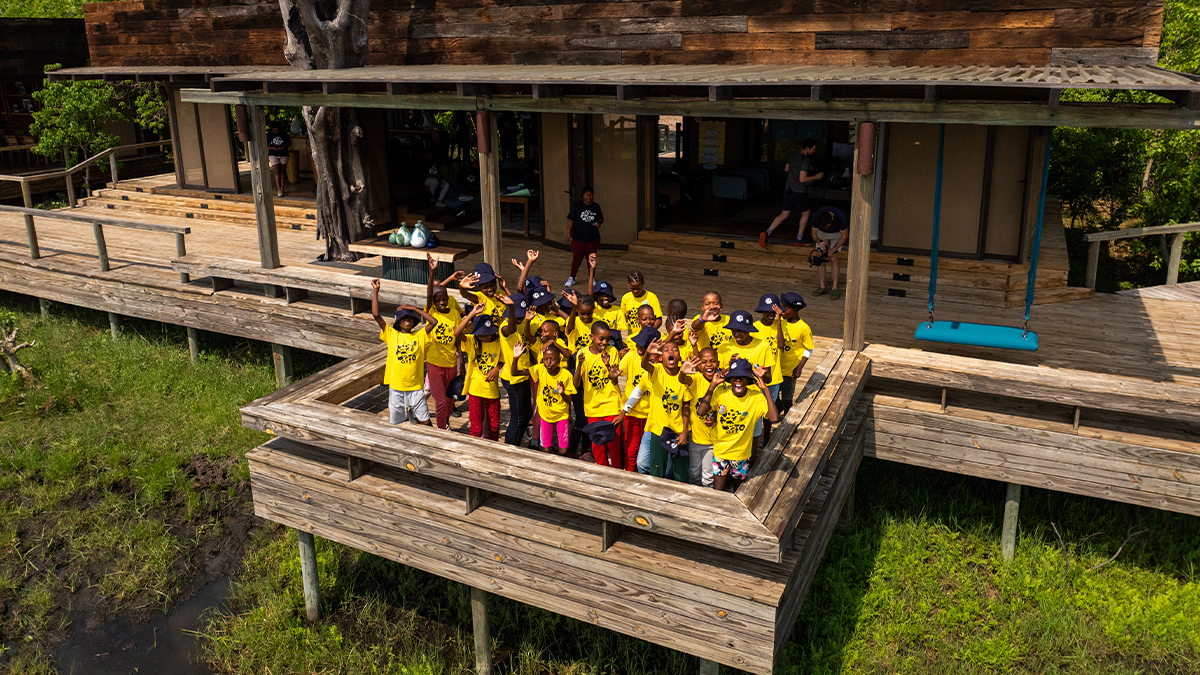
Botswana also remains home to Children in the Wilderness, the environmental education programme established by Wilderness more than two decades ago. Over the last 10 years, more than 2,700 children participated in Eco-Clubs, while over 2,200 children attended annual camps in Wilderness’ and partner properties, fostering environmental awareness, leadership skills and a deeper connection to Botswana’s natural heritage.
Conservation remains at the heart of the Wilderness model. Across its Botswana footprint of more than 257,000 hectares, the company continues to invest in biodiversity stewardship and protected area management, with BWP319 million contributed by Wilderness and its guests towards the use and protection of these critical landscapes over the last 10 years. Through the Wilderness Trust and partnerships with conservation organisations, Wilderness also continues to support research and on-the-ground conservation initiatives that help secure the future of Botswana’s wildlife.
‘None of these achievements would be possible without the commitment of our staff, neighbouring communities, Government, conservation partners, suppliers, guests and trade partners,’ Kabelo concluded. ‘We are proud of what we have achieved together in the last 10 years, and encouraged by the opportunities that lie ahead. Together, we can continue demonstrating that conservation tourism creates lasting value for Botswana’s people, wildlife and wild places.’
Click here to see a one-page summary infographic of the Wilderness Botswana Impact Report.