


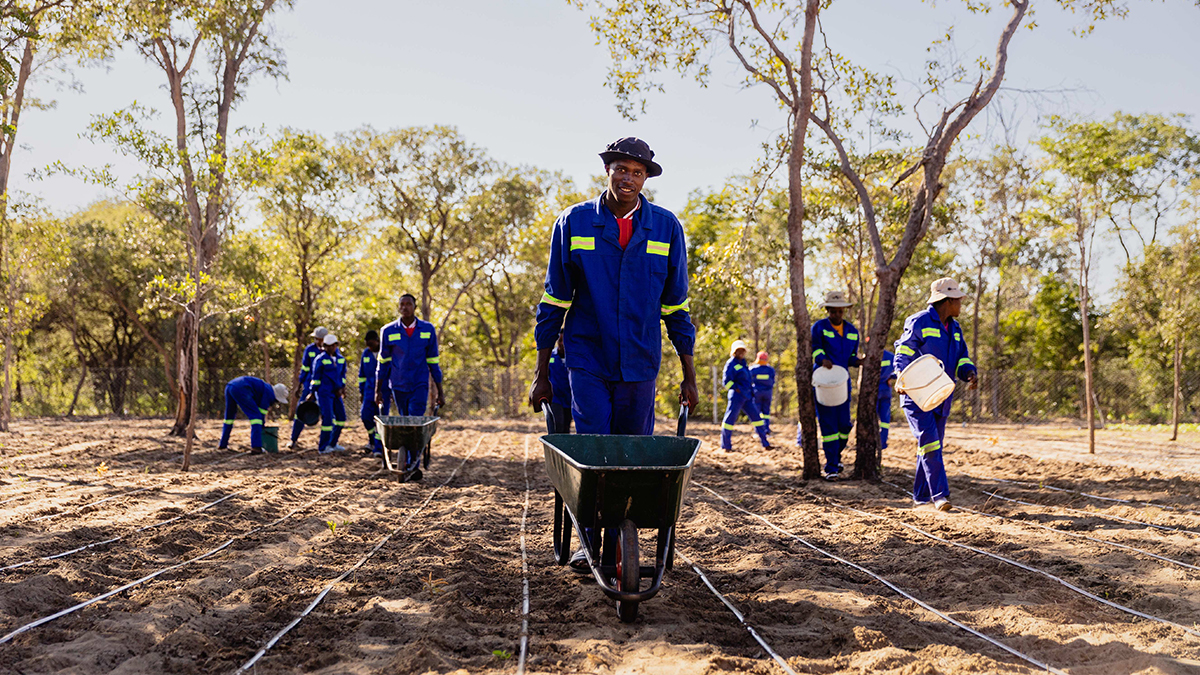
Three innovative organisations from Botswana, Tanzania and Zimbabwe have been named finalists in the Wilderness Impact Challenge 2026, following a highly competitive search for practical solutions that strengthen Africa’s conservation economy.
Now in its second year, the Wilderness Impact Challenge is a pioneering initiative that seeks out scalable solutions capable of creating better outcomes for people, wildlife, and the systems that connect them. Guided by Wilderness’ Empower Impact pillar, this year’s Challenge called on innovators, entrepreneurs, engineers, conservationists and community leaders to submit ideas that make conservation economically viable, locally led, and resilient for the communities living alongside Africa’s wild places.
More than 80 applications were received from across the globe, showcasing a variety of ideas rooted in local innovation, enterprise, and ownership, with the ultimate aim to strengthen conservation while uplifting communities.
‘The calibre of entries this year was truly exceptional,’ said Charles Douglas, Chairman of the Wilderness Trust. ‘We were encouraged not only by the creativity and quality of the ideas submitted, but by the commitment to building conservation economies that deliver lasting value for both people and nature. Selecting just three finalists was no easy task for the judges.’
The three finalists each demonstrate a distinct approach to strengthening conservation through enterprise, creating economic incentives that support healthy ecosystems while improving local livelihoods.
Ele-Collection, based in Victoria Falls, Zimbabwe, tackles two challenges simultaneously: plastic pollution and unemployment. The organisation employs women-led teams to recover plastic from conservation-sensitive landscapes before transforming it into eco-aggregate for the construction industry. Every kilogram collected creates income, removes waste from wild spaces, and strengthens a local, circular conservation economy.
In Botswana’s Okavango Delta, CLAWS (Communities Living Among Wildlife Sustainably) is partnering with local cattle farmers to improve traditional herding practices and establish Africa’s first Certified Wildlife Friendly™ beef supply chain. The initiative reduces human-lion conflict while rewarding farmers with premium market access. The result is healthier rangelands, stronger rural livelihoods, and a model where protecting wildlife becomes the better economic choice.
Working in Tanzania’s Serengeti ecosystem, Wild Survivors is turning human-elephant conflict into opportunity through women-led enterprise hubs built around coexistence. Combining beekeeping, regenerative agriculture and locally produced honey and organic products, the initiative supplies nearby tourism operators while creating sustainable livelihoods. By connecting communities directly to conservation-friendly markets, the model transforms wildlife protection into a lasting economic opportunity owned by local people.
‘What stood out about these finalists is that, although they address different conservation challenges, they all arrive at the same conclusion: conservation efforts can be enhanced where they create meaningful economic opportunity in surrounding communities,’ added Charles. ‘Each of these initiatives demonstrates that thriving communities and thriving wildlife don’t have to be competing goals, but can be mutually reinforcing ones. They are building practical, scalable solutions that strengthen conservation by making it thoughtfully valuable to the people living closest to it.’
The finalists now progress to the final stage of judging, with the winning initiative to be announced at the end of August 2026. The successful project will receive financial support valued at USD100,000, as well as strategic guidance from the Wilderness Trust – helping accelerate its impact and further increase its contribution to Africa’s growing conservation economy.
The inaugural Wilderness Impact Challenge, held in 2025, recognised Wild Entrust Africa’s BioBoundary Project, a non-lethal, scent-based predator deterrent system that helps farmers protect livestock while promoting coexistence with hyenas, leopards and other carnivores. By supporting pioneering ideas with real-world application, the Challenge continues to identify and accelerate solutions that strengthen conservation where it matters most: in the landscapes and communities that depend on it.
To find out more about the Wilderness Impact Challenge, click here. For images of the finalists, please click here.